
 English
 Hrvatski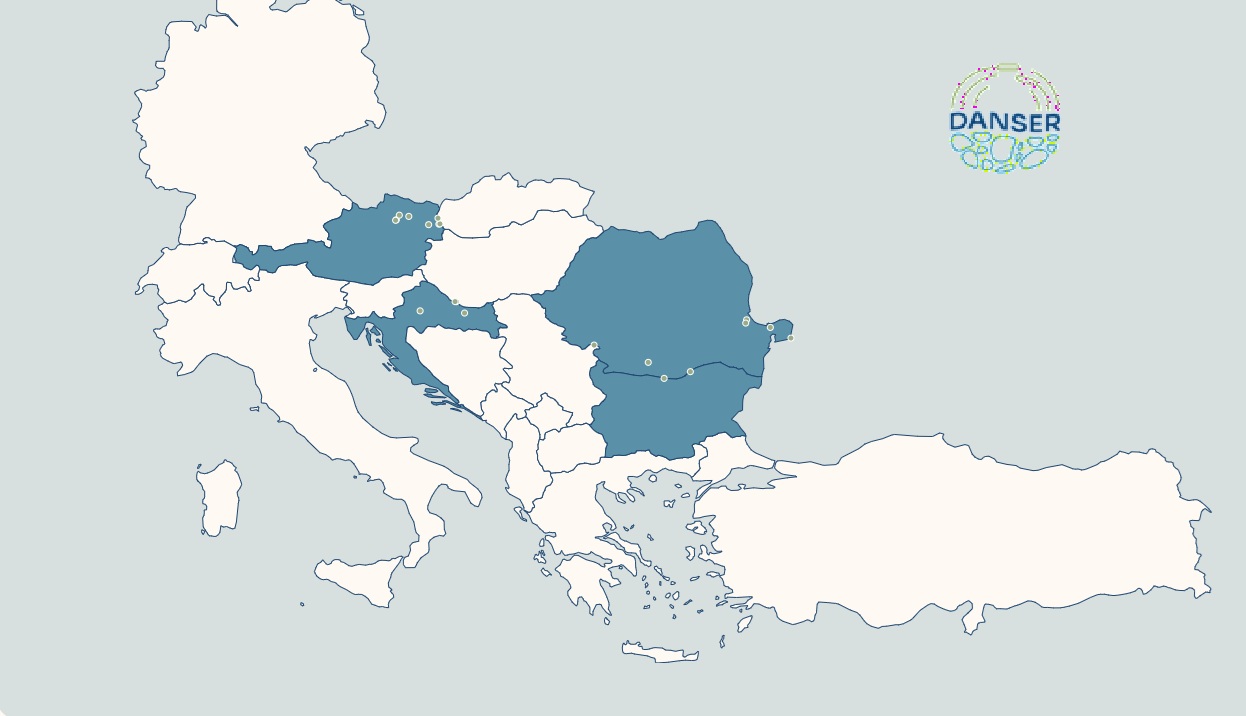
DANSER
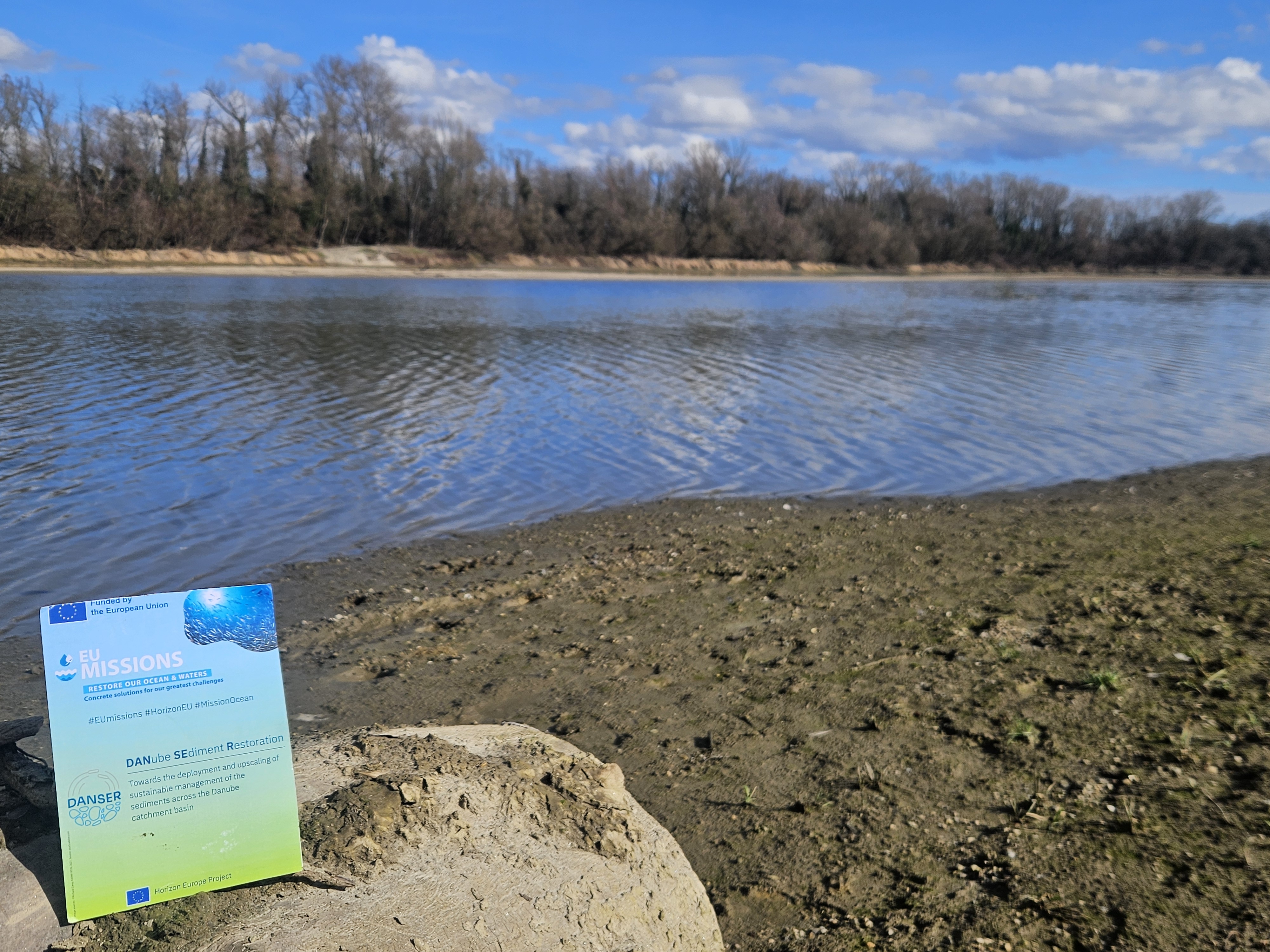
DANube SEdiment Restoration: towards the deployment and upscaling of sustainable management of the sediments across the Danube catchment basin

Project title: DANube SEdiment Restoration: towards the deployment and upscaling of sustainable management of the sediments across the Danube catchment basin (HORIZON-MISS-2023-OCEAN-01, 101157942)
Project acronym: DANSER
Project duration: from 1 January 2025 to 31 December 2028
Project coordinator: Danube Delta National Institute for Research and Development (Romania)
FAZOS Project team leader: Prof. Dr. Siniša Ozimec
Funding: European Union, Horizon Europe Research and Innovation Programme (2021-2027), Mission: Restore Our Ocean and Waters
Total project budget: 9 148 028.75 EUR; FAZOS budget: 159.250,00 EUR
Project web site: https://danserproject.eu/
Project description:
The DANSER project is implemented by 28 project partners and 7 associated partners from 7 countries: Romania, Croatia, Austria, Bulgaria, Ireland, Ukraine and Portugal. The project is by its multidisciplinary approach focused on the Danube River basin, which is currently facing the effects of climate change, as well as numerous human activities, which require planning and implementation of measures to restore sediment balance and improve the conservation of living world and river ecosystems. The project aims to analyze historical and current sedimentation processes, develop mechanisms for establishing balance, improving sediment flow and quality, and sustainable sediment management in the rivers of the Danube basin and their environments. The project seeks to apply nature-based solutions for monitoring and conserving biodiversity, and integrate knowledge gained with partners from the European Union and beyond, while supporting the sustainable development of the economy and local communities. Research and demonstration activities and the creation of innovative solutions using cutting-edge technology and digital tools are planned: mapping of natural and anthropogenic fluvial processes, modeling of sediment transport, dating of sediments using radiometric methods, historical analysis and modeling of pollution transfer, geophysical surveys, restoration and reconnection of river branches.
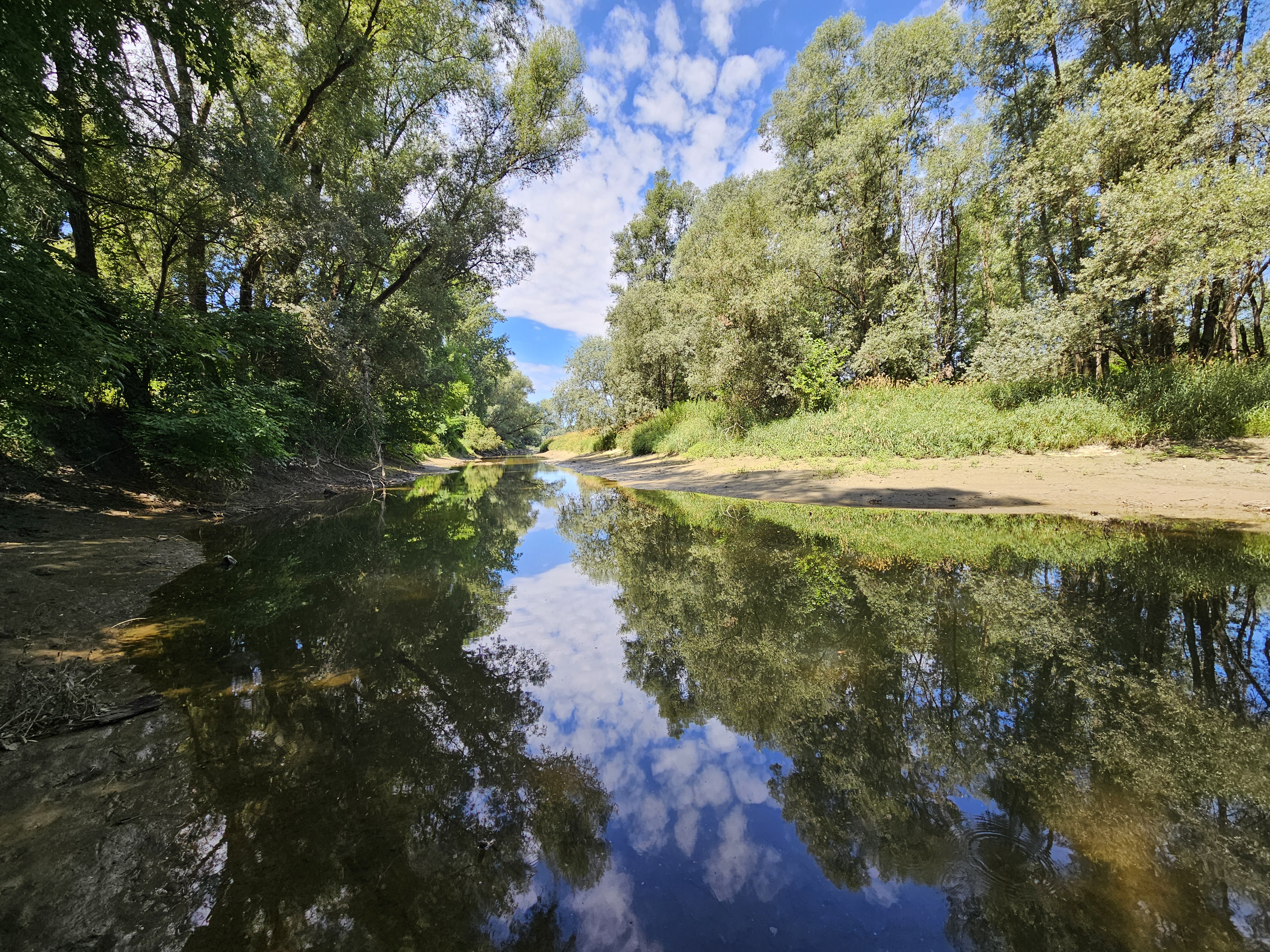
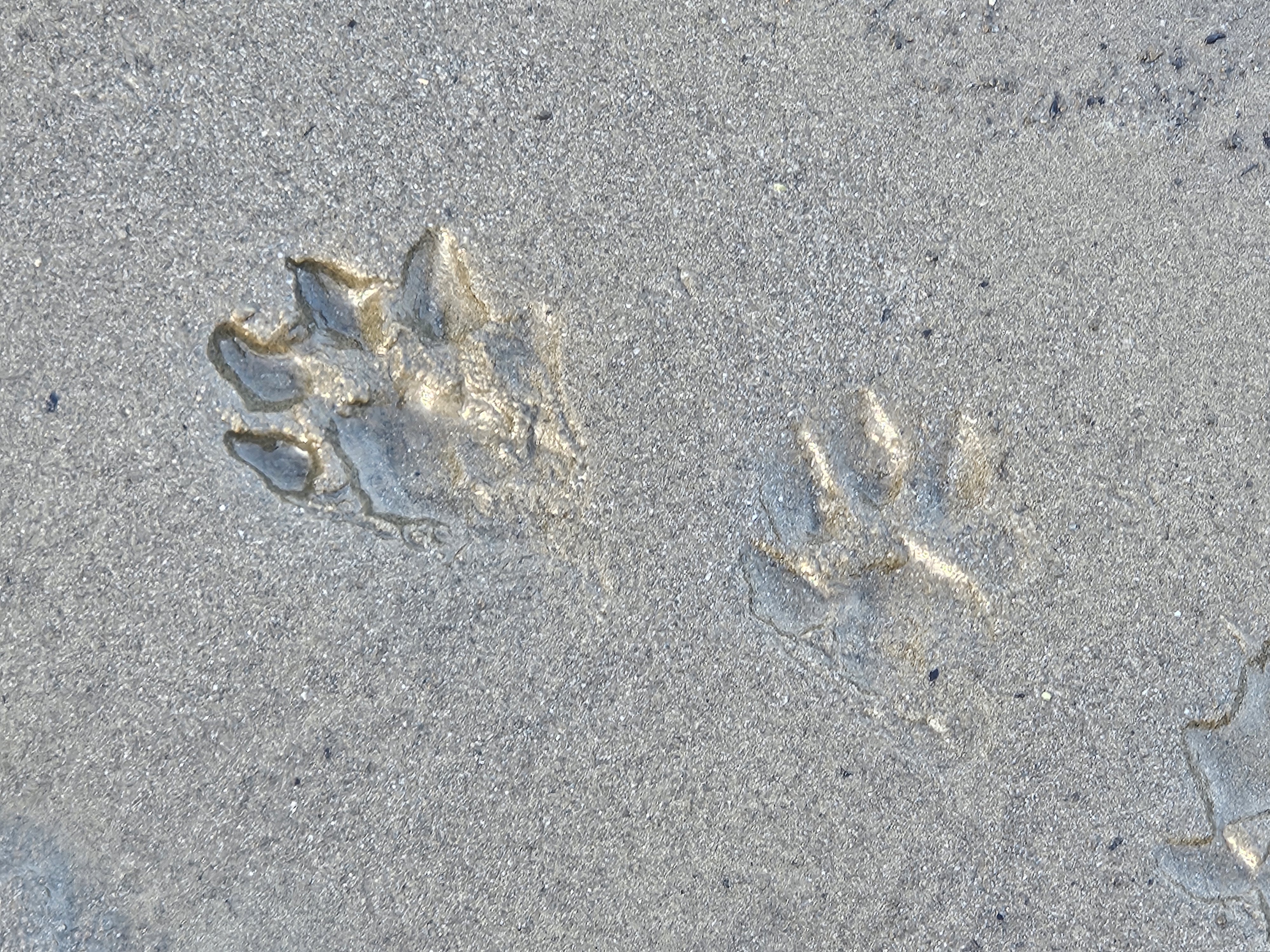
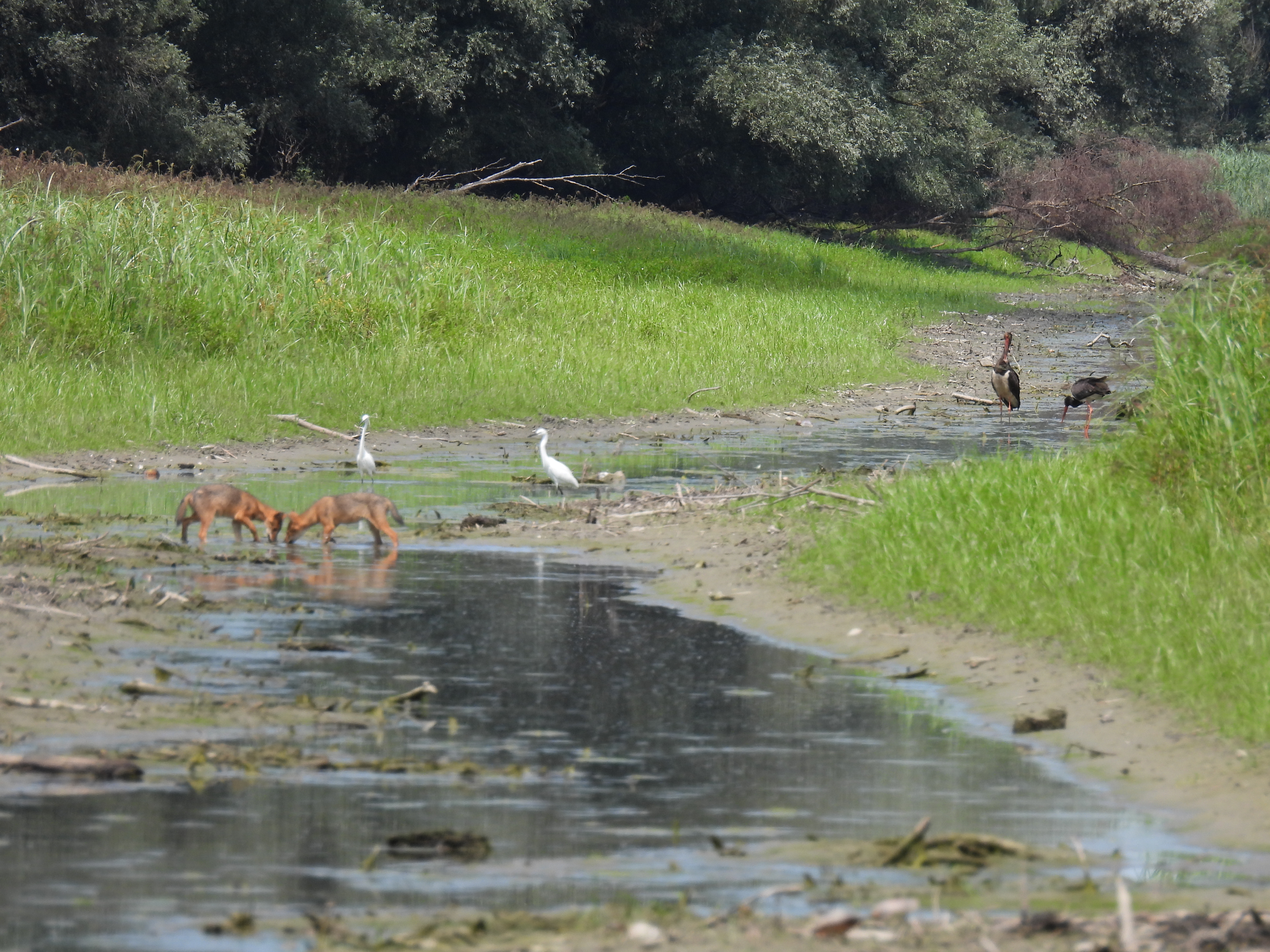
The Faculty of Agrobiotechnical Sciences Osijek, with 6 other partners from Croatia, is involved in the implementation of part of the project activities in the Middle Danube demonstration area, in three pilot areas: the Drava River branch near the settlement of Novi Gradac (Virovitičko-Podravska County), Kopački rit Nature Park, and the Sava River course in the Municipality of Orle (Zagreb County). These areas have been recognized as being of exceptional value for the biodiversity conservation, they are included into sites of Natura 2000 ecological network and the UNESCO five-country Transboundary Biosphere Reserve Mura-Drava-Danube. Research activities include biotic monitoring of individual groups of wild fauna, flora and habitats, and determining the state of conservation of biodiversity components in pilot areas.
IMAGE GALLERY